

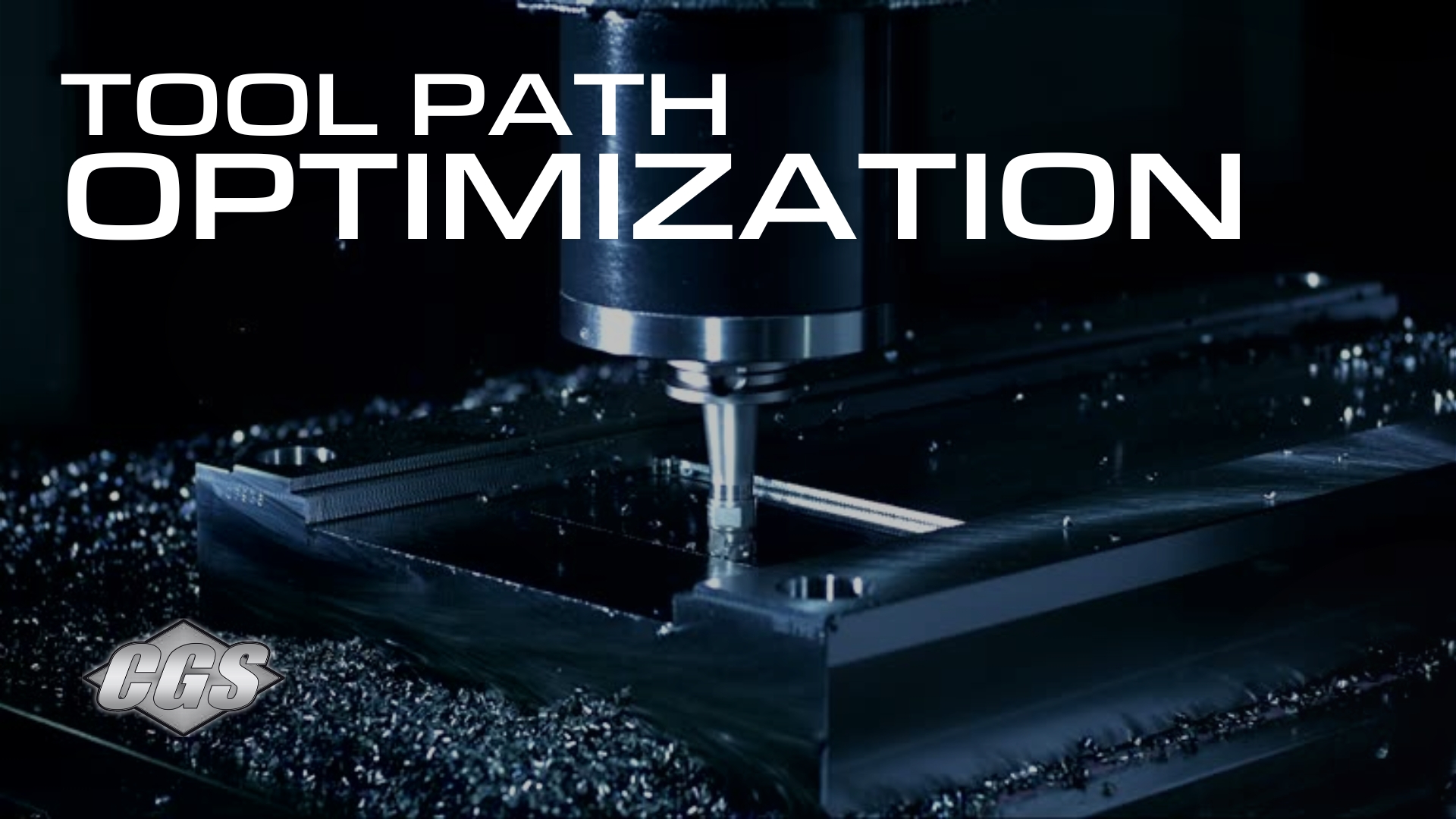
A cnc milling machine may be equipped with the right cutter, in the right setup, and with the right material holding, but may be exhibiting poor cutter movement, which causes premature wear, heat generation, and rough finishes. Tool path optimization focuses on how the tool enters, moves through, and exits the material. For shops using high speed machining, that movement becomes even more important because speed only helps when the cut stays controlled.
The Cut Starts Before the Tool Touches the Material
Good milling does not begin with speed alone. It begins with planning how the cutter will meet the workpiece. A sudden plunge or full-width cut can shock the cutting edge, especially in harder metals. A smoother path helps reduce pressure on the tool and gives chips a better way to leave the cut.
This matters because tool wear often starts quietly. A cutter may begin to rub, chatter, or recut chips before the finish problem becomes visible. By controlling the programmed path early, machinists can protect the tool and keep the part more consistent.
First Contact: Why Entry Strategy Matters
A poor entry can create stress before the main cut even begins. Helical interpolation assists the cutter in moving in a smoother direction rather than forcing the cutter directly down to the material.
Helpful things to keep in mind:
- It helps ease access to holes and pockets.
- It reduces sudden loading on the cutting edge.
- It helps avoid harsh plunging in harder materials.
- It can improve finish quality near the entry area.
- It gives the cutter a more controlled start before the main milling pass.
Inside the Cut: Keeping Tool Load Under Control
Once the cutter is inside the material, the main challenge is engagement. If too much of the tool stays buried, heat and side pressure rise quickly. Trochoidal milling aids in providing a looping movement that maintains the load of cutting more uniform.
This plan is effective as it
- Increases the amount of space available in chips released.
- Helps lower the temperature of the cutting edge.
- Minimizes vibration when in deep slots or pockets.
- Supports high-efficiency milling under a stable setup.
- Similar to safeguarding end mill tool life through tough cuts.
The Pocket Problem: Chips have the Power to scratch the finish
When CNC pocket milling, the chips may become trapped unless the path is left large enough to evacuate the chips. The chips can be recut again, and this can scratch the part, increase heat, and strain the cutter more than necessary.
A clean tool path should guide the cutter in a way that keeps chips moving out of the cutting zone. This is especially important in aluminum, stainless steel, and deeper pockets, where chip packing can quickly affect both finish quality and tool wear.
Speeds, Feeds, and Radial Depth Need to Work Together
The tool-path planning must correspond to the cutter settings. This is because radial depth, axial depth, coating, type of material, and stability of the machine cannot be chosen without the end mill speeds and feeds, which are dependent on them.
The most prominent setup tests are the following:
- The tool has to be stored on a radial surface and not terminally buried.
- Select the cutter diameter and the hardness of the material.
- Never rub, especially the steel that is stainless.
- Application of stable engagement on title alloys titanium and hard alloys.
- Check out chatter marks because they can be indicators of problems loading tools.
- Dynamic milling should be used when the engagement should be controlled at a faster rate of material removal.
Material Behavior Should Guide the Tool Path
Different metals react differently under the cutter. Aluminum needs strong chip evacuation because packed chips can damage the surface. Stainless steel needs heat control because it can work-harden if the tool rubs instead of cutting. Titanium and high-temperature alloys need steady engagement because heat stays close to the cutting edge.
This is where carbide end mills perform best when the cutter design and tool path work together. A strong tool still needs the right motion, and a smart path still needs the right cutter for the material.
Better Tool Paths Start With the Right Cutter
Better tool paths help reduce avoidable wear, improve chip movement, protect the cutting edge, and support cleaner part finishes. For machinists working with demanding milling operations, the right cutter movement should always be matched with the right tooling. CGS Tool has a wide range of carbide end mills that facilitate feasible milling activities in the various materials and cutting directions.
FAQs
What is trochoidal milling and how does it improve tool life?
Trochoidal milling uses looping cutter movement to keep engagement controlled. It helps reduce heat, side load, and edge wear.
When should helical interpolation be used in CNC machining?
Helical interpolation can be applied in hole-making and pocket entry. It assists the cutter to get his foot in rather than making a sharp trip.
How does radial depth of cut affect carbide end mill performance?
Radial depth controls how much of the cutter side touches the material. Excessive contact may lead to excessive heat, chatter, and wear.
What is the best tool path strategy for milling stainless steel?
Stainless steel will work well with a good chip evacuation path that is controlled. It helps to reduce the heat and minimize the chance of work hardening.
How does chip evacuation affect surface finish in milling?
Bad evacuation of chips can cause recutting, scratches, and other heat. The flow of clean chip helps to form a cleaner surface.