






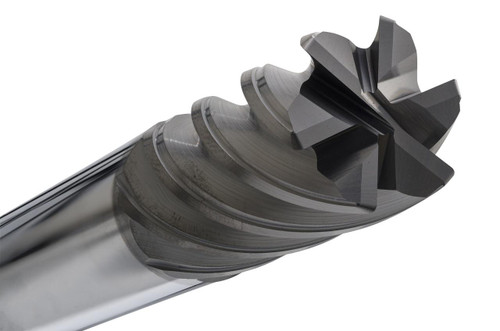
Featured Products


Frequently Asked Questions
Because consistent tooling, technical depth, and clear next-step support matter more than a broad catalogue alone.
CGS Tool focuses on close tolerances, high-grade carbide, innovative finishes and high-quality production techniques.
Through integrated engineered product lines, manufacturing control, and application-aware support in both standard and custom applications.
Technical resources, product references, direct sales contact, RFQ support, and custom-tooling guidance are available whenever production requirements vary.
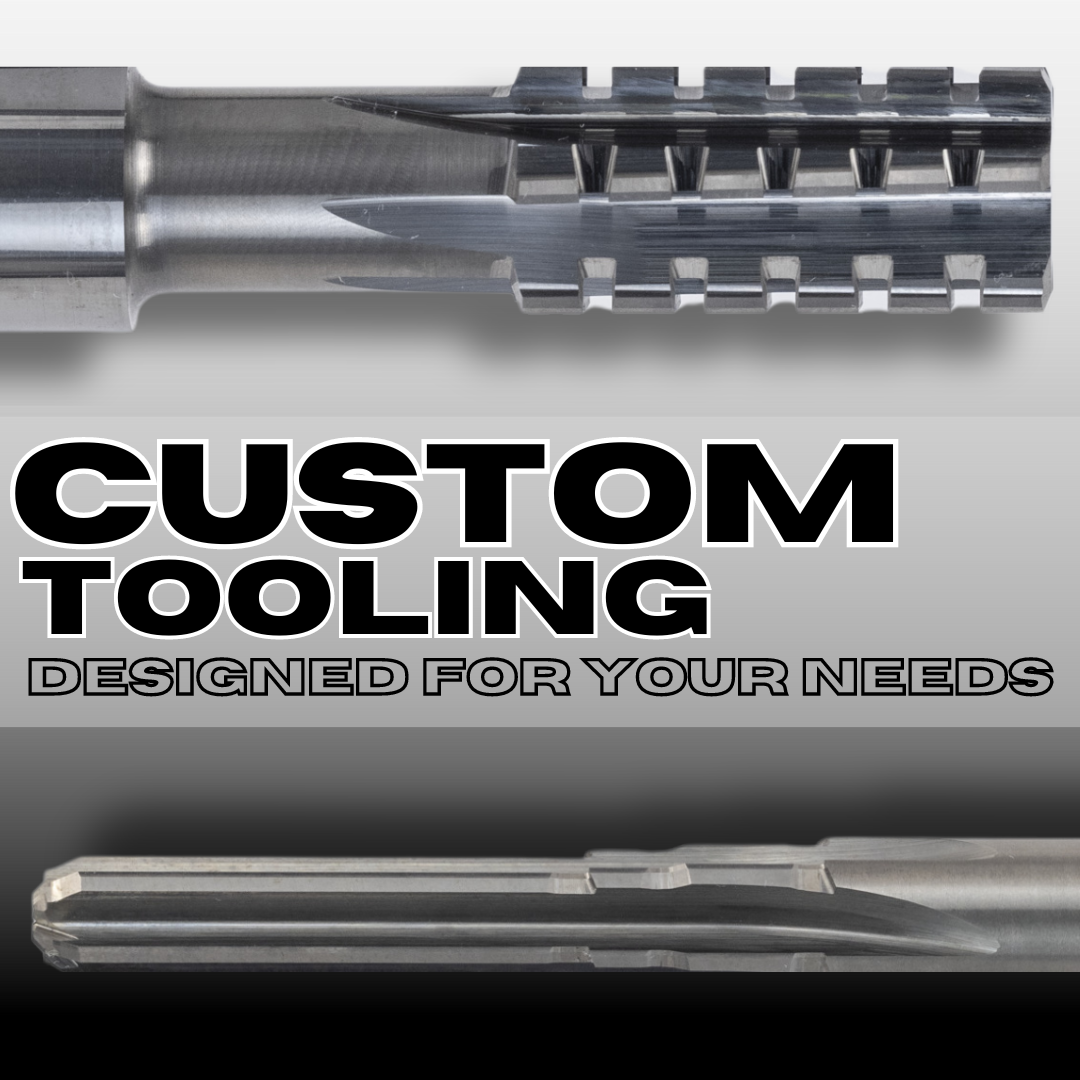
CGS Tool employs a special custom-tooling procedure that examines application specifications, drawings, and performance targets.
CGS Tool manufactures solid carbide end mills and custom cutting tools in Ohio and has been serving the industry since 1974.
Feeds and speeds depend on the material, tool diameter, and coating. Refer to CGS Tool's resources for product-specific recommendations.
Lower surface speeds, ALTiN coating, and a higher flute count help achieve stable machining in stainless steel.
Yes. Submit your drawings and specifications through the RFQ page, and the engineering team will develop a custom tooling solution.
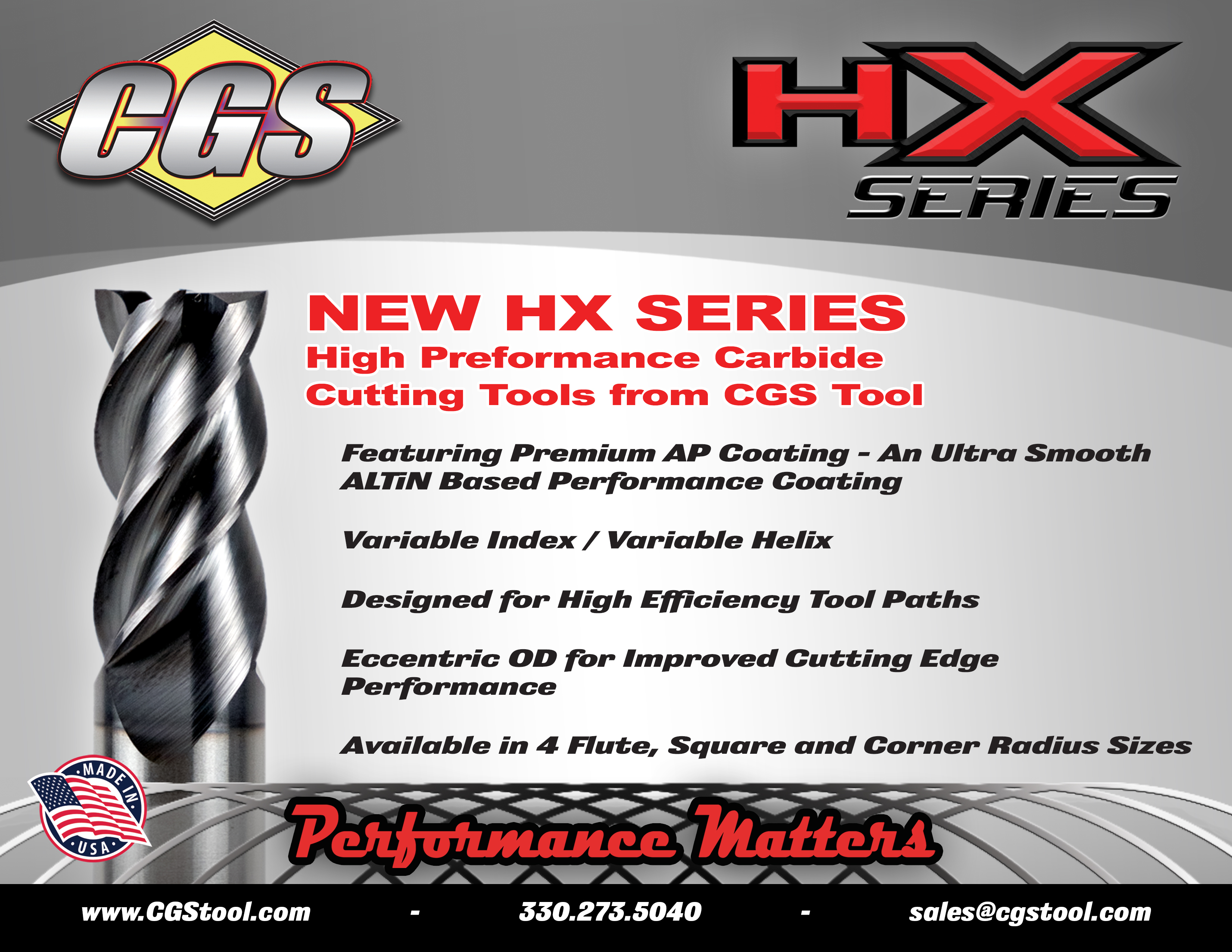
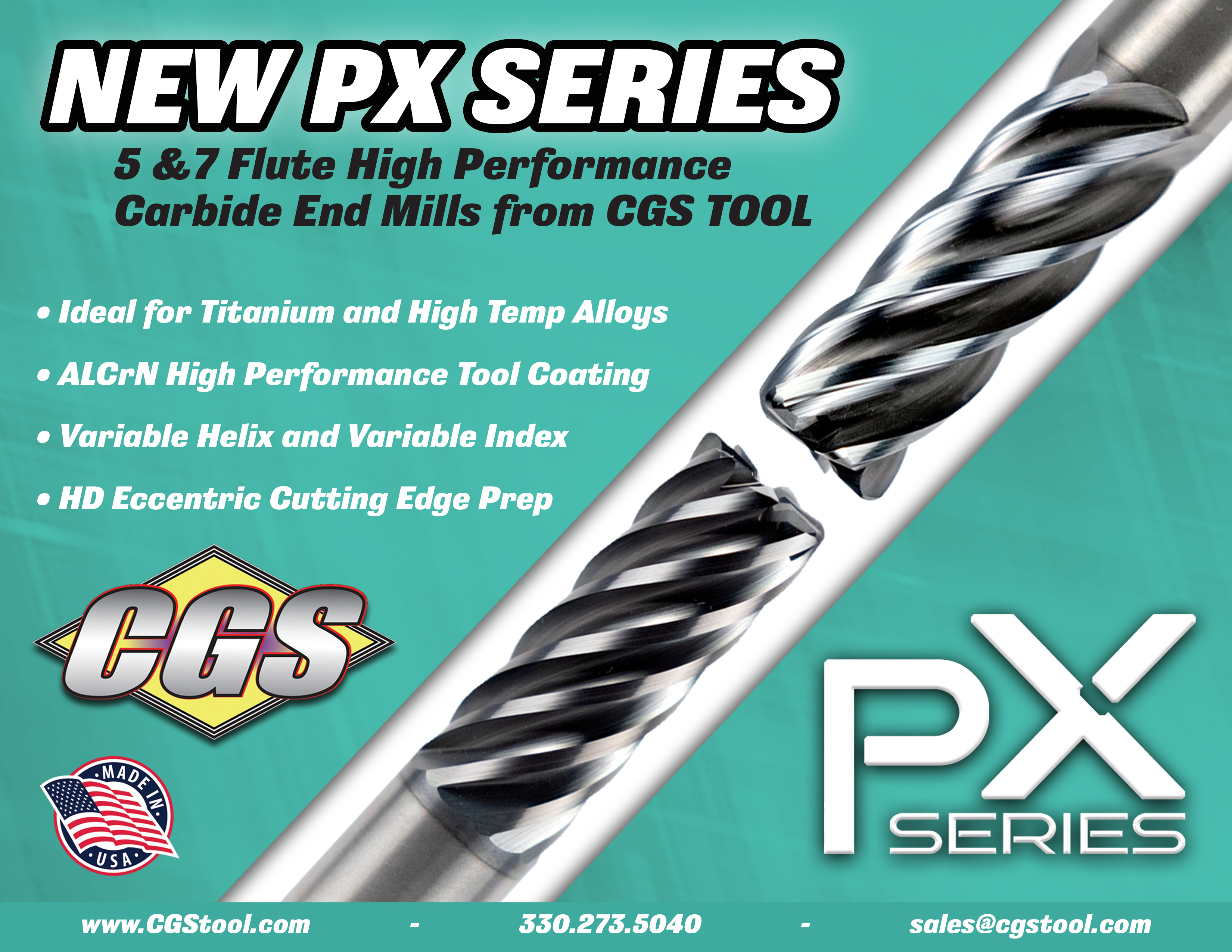
Available coatings include ALTiN, AlCrN, ZrN, and nACRo. The best coating depends on your workpiece material and cutting conditions.
Product quality should come first, followed by coating options, tool geometry, technical support, custom tooling capabilities, and a strong reputation for consistent performance.
Recommended feeds and speeds depend on tool diameter, material type, coating, flute count, and machine capability. Following manufacturer recommendations helps maximize tool life, surface finish, and machining efficiency.
The ideal cutting speed depends on the workpiece material and tooling geometry. Carbide tools generally operate at much higher cutting speeds than high-speed steel, improving productivity.
High-speed steel is best suited for lower-speed machining, manual mills, interrupted cuts, and cost-sensitive applications where maximum tool life is not the primary concern.
Carbide provides greater hardness, higher machining speeds, and longer tool life, making it ideal for production work. High-speed steel is more economical for lighter-duty machining and softer materials.
Most Popular

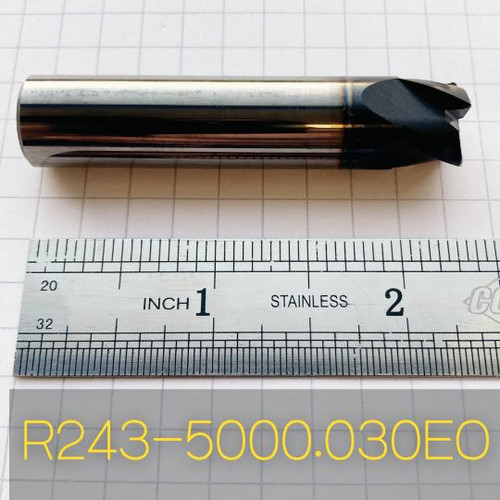


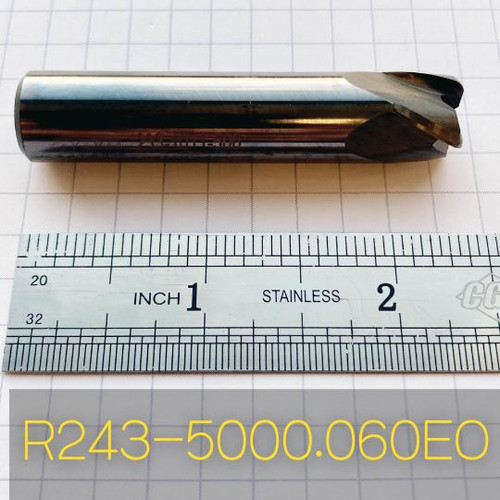

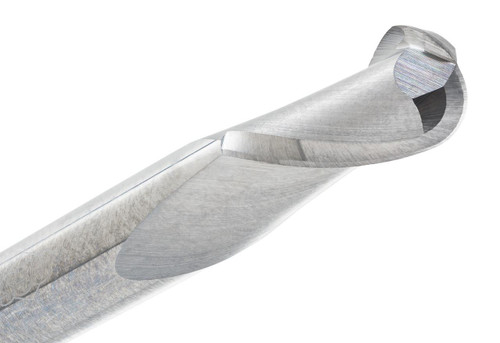



New Products