
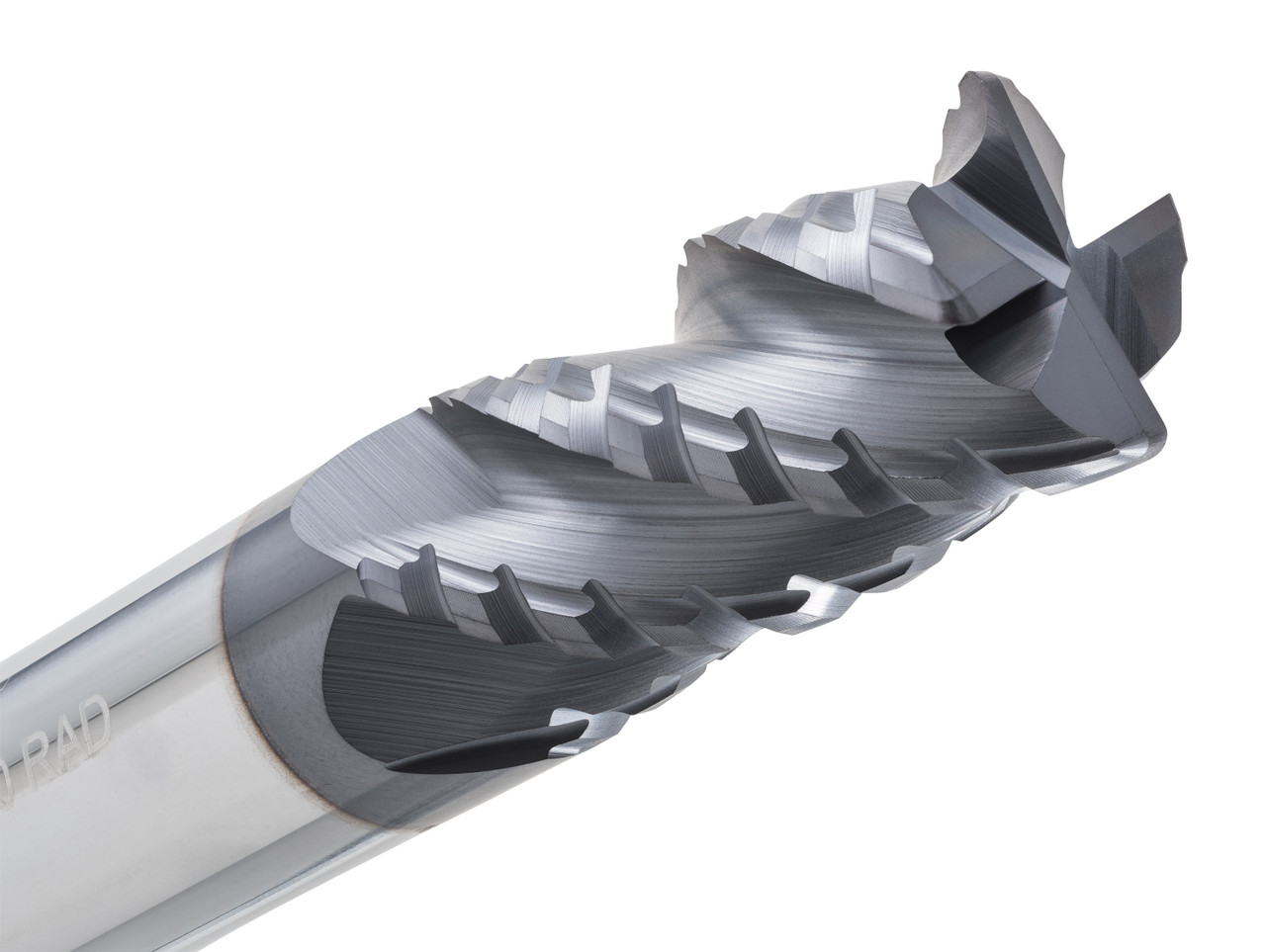
Carbide and high-speed steel (HSS) are pretty well-known materials for cutting tools. Each kind has its own set of traits, so one might feel more right for certain jobs than the other, you know. Carbide bits can cut up to 12 times quicker than HSS, and they also tend to remain sharp longer; but they cost more, and yes, they can be a bit brittle.
HSS tools did well across a bunch of everyday metal-cutting needs. It is a strong, tough material that makes it a great all-purpose pick. You can also rework and sharpen it smoothly when it starts to go dull. Meanwhile, Carbide shines during high-speed cutting of harder materials. It keeps an edge longer than HSS, which means less time dealing with tool swaps. Still, carbide is pricier at the start. And if you treat it roughly or feed it poorly, it can chip or even snap, so it needs some care.
Here, we will break down carbide vs HSS tools and also look at what matters in real shop work, not just on paper.
Performance of carbide tools in machining
Carbide end mills tools are basically the go-to for high-performance machining, because they bring top-notch toughness, dependable wear resistance, and they deal with the higher cutting temperatures really well. When you use carbide, you can usually run at a lot faster speeds and feeds than with regular high-speed steel (HSS), and that tends to raise throughput fast. On top of that, you often get a smoother, nicer part finish, even though the whole setup can feel a little bit more demanding than usual.
Carbide tools can handle cutting speeds roughly 2 to 6 times faster than HSS, which helps reduce cycle times significantly and improves overall machining throughput. They also provide steadier precision during cutting because carbide typically flexes less when the load increases, helping maintain tighter dimensional tolerances and a cleaner surface finish. Along with this, the natural hardness of tungsten carbide and its strong material structure help limit abrasive wear, resulting in longer tool life, more cutting time per job, and fewer interruptions during production.
Practical use cases for HSS tools
High-speed steel (HSS) tools are often praised for their toughness, their strong ability to handle shock, and, honestly, for being pretty affordable. They’re especially handy when you’re dealing with real-world machining setups where vibration might show up, or when you get interrupted cuts that would make more brittle choices, like carbide, start failing or even chipping away.
Top Practical Use Cases
- Manual & older machining efficiency: Great for manual lathes and manual milling machines where there’s a bit of slack, or the frame flexes in small ways. HSS can take those tiny, stubborn micro-movements without quickly turning into chips.
- Threading options: Common in taps and dies. HSS taps, in particular, hit a nice balance between strength and elasticity. That tends to produce cleaner threads and also lowers the chance of a tap snapping off inside the hole.
- Woodturning & carpentry: You’ll see it used a lot in wood lathes, for bowl gouges and skews, and also in ordinary drill bits when making holes in wood, plastics and other softer materials.
- Low-volume prototyping: For R&D spaces, hobbyists, and classroom training, HSS is usually the go-to option. It stays cost-effective, and it’s relatively easy to regrind when it goes dull, so it fits single-piece work or short-run projects very well.
- Soft and non-ferrous materials: HSS tools such as taps, twist drills, and HSS end mills work really well on aluminium, brass, mild steel, and plastics. They often leave top-level surface results, and many machinists still pick HSS over carbide when they’re threading softer metals.
Differences in durability and efficiency
Durability is mostly about how well a product can handle wear, damage, and plain pressure over time, while efficiency is more like how much result you get for the amount of effort you put in; that’s the idea.
The core difference between
- Durability and Longevity: It actually keeps going through rough conditions, and it fights off degradation.
- Longevity is more about lifespan, in years, operational cycles, or the mean time between failures, from a kind of view.
- Also, very dependable systems can end up being sort of overbuilt, so you might need extra early material or energy.
- And sometimes it’s harder to reach the places, the surroundings are rough, or maintenance is expensive, so the durability part matters even more.
- Efficiency and Performance: this is more about doing the same task faster, in a smarter economical way, or with less energy.
- It often means the output energy divided by the input energy.
- There’s also a tradeoff: highly optimised, very efficient systems can be a bit fragile, like there’s no real buffer for sudden loads or gradual wear.
- And you usually see higher utilisation in grind-connected facilities, where energy expenses are basically the main driver of day-to-day operations.
Cost and long-term value comparison
High-speed steel (HSS) and carbide are used for different manufacturing situations. Basically, HSS feels cheaper at the start, but carbide can give you really top -notch returns in production settings, so the finished part ends up costing less, even if carbide can cost up to 3* more to buy.
High-speed steel (HSS)
- It is low ( $10 -$20 ),
- Good for hobbyists or low-volume runs.
- Softer and more forgiving when things aren’t perfectly dialled in.
- Low ( it can degrade when machine speeds are high ).
- Slow feed rates.
- Low ( often sold as pre-machined or frequently prepared steel ).
Carbide
- It is high ( $40 -$60+ ),
- Best for production runs and those 24/7 factory lines.
- Extreme hardness, with high wear resistance.
- High ( it keeps the edge longer even under high temperatures ).
- About 2*3* faster than HSS.
- High ( because it contains costly tungsten, in particular ).
Tool selection based on applicatio
Choosing between high-speed steel (HSS) and carbide tooling kind of depends on your workpiece, the machine you have, and how many parts you’re planning to push out.
In general, carbide tends to be the better move for high-volume production, tougher materials, and stiffer CNC cutting tools, while HSS usually wins when you’re dealing with softer materials, shorter runs, manual setups, or hobby-style jobs.
High Speed Steel (HSS)
- HSS is a tough, shock-resistant steel alloy. In practice, it’s a bit more flexible, so it’s less likely to shatter when loads aren’t perfectly even, or when there’s vibration in the cut.
- Ideal Environments: manual lathes, drill presses, or any setup where vibrations may happen. It’s also often the go-to for short production runs and hobbyist builds.
- Best Applications: drilling or machining mild steels, brass, aluminium, and wood.
- Key Advantages: lower upfront cost, easier sharpening, and it resists chipping well, even if the machine has some deflection.
Carbide
- Carbide is a very hard, heat-resistant compound ( typically tungsten carbide ) that can keep a sharp cutting edge even when temperatures get really high.
- Best Application: hard or abrasive materials like stainless steel, titanium, cast iron, and hardened plastics.
- Ideal Environments: high-speed CNC machines, heavy-duty production runs, and setups that are very rigid.
- Benefits: you can often run about 2 to 3 times faster than HSS, you typically get a more premium surface finish, and you usually enjoy a longer tool life.
Conclusion
Carbide and HSS tools both have their strengths, but the right choice often depends on the material being machined and the application requirements. Carbide is highly valued for its hardness and heat resistance, allowing it to operate at higher cutting speeds, although it can be less forgiving under certain conditions. HSS offers excellent toughness and is easier to resharpen, making it a practical option for many machining setups, even if it cannot match carbide's cutting speeds.
The decision ultimately comes down to the specific job requirements. Carbide tends to excel in high-speed machining, particularly when working with tougher materials, while HSS performs well in general-purpose cutting applications and can better withstand impact loads. Manufacturers looking for maximum performance often rely on advanced carbide tooling solutions from CGS Tool to achieve greater efficiency and consistency.
Cost is another important consideration. Carbide tools generally require a higher initial investment but typically provide a longer service life before replacement is needed. HSS tools are more affordable upfront, though they usually require more frequent sharpening or replacement over time.